

Nature · 7 min read
The Valley at First Light
Resident Ecologist · 5 November 2025
Our resident ecologist on the order in which the reserve wakes up, and why the first hour is worth losing sleep over.
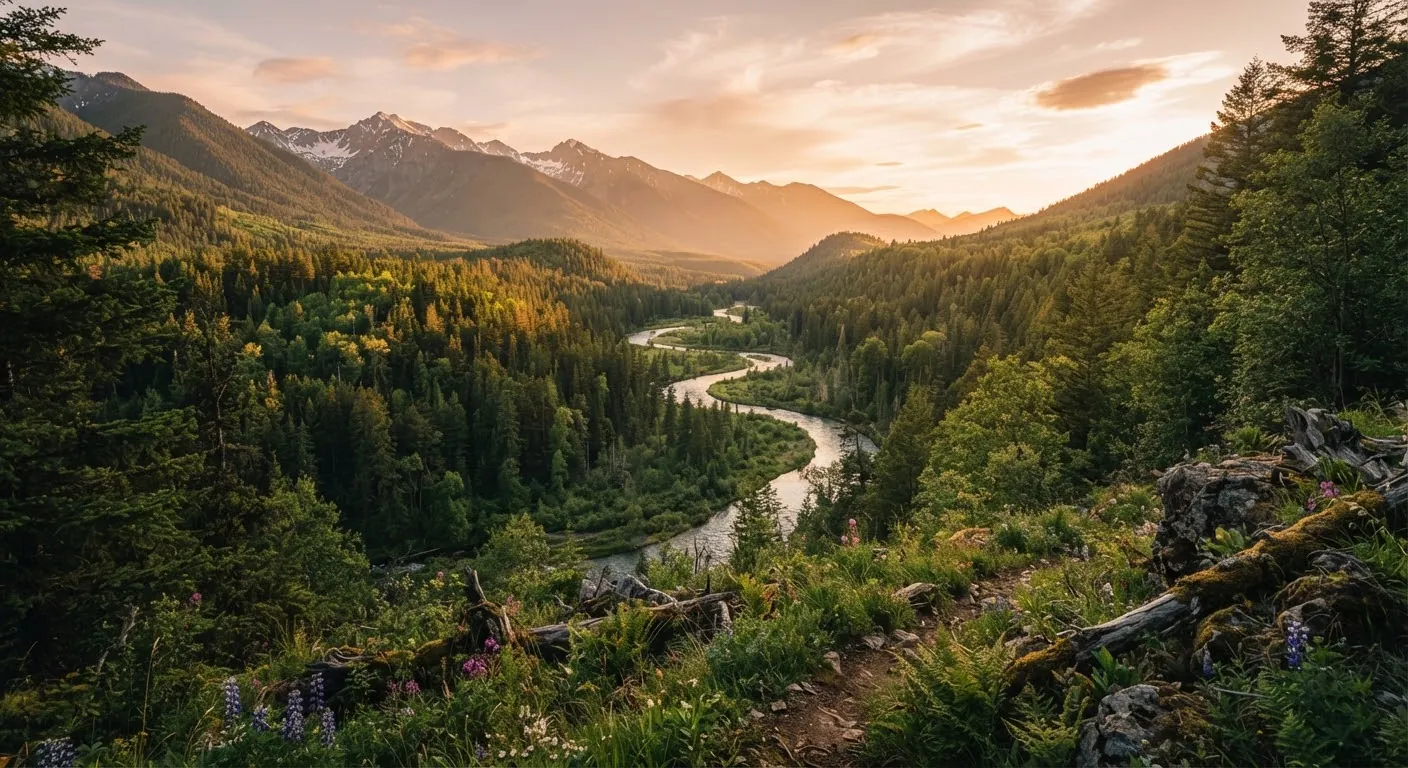
The valley does not wake all at once. It wakes in a sequence, and the sequence is remarkably consistent — consistent enough that after a few years you can tell the time by it without a watch.
The order of things
Robins first, well before there is any usable light. Then blackbirds, then the warblers along the water, then — much later, and always last — the finches in the hedgerows. By the time the sun actually clears the ridge the loudest part is already over.
Standing in one place through that hour tells you more about the health of a habitat than a week of walking through it. Density, variety, and which species are missing that ought to be present.
You cannot survey a valley by moving through it. You survey it by staying still long enough that it forgets you are there.
What has changed
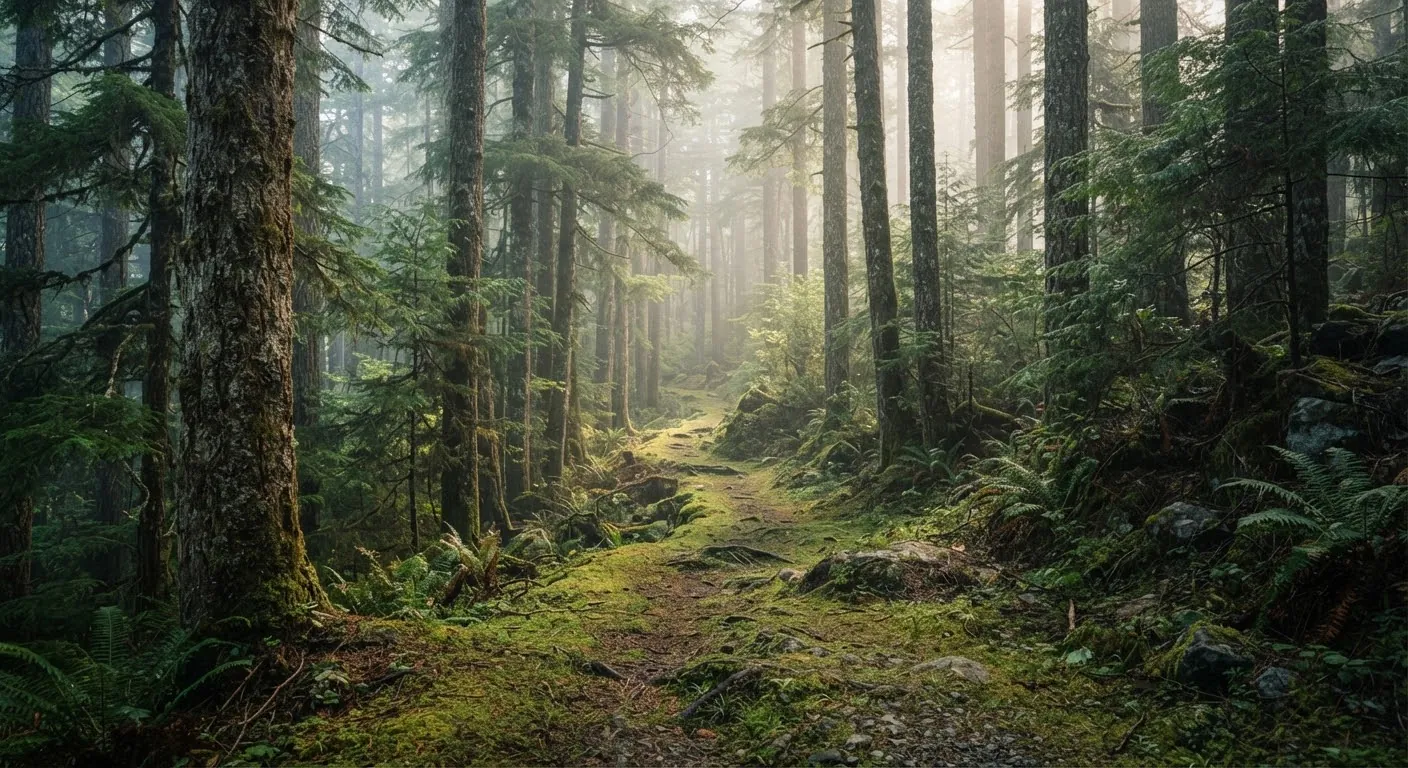
Since the reserve stopped being grazed and the hedgerows were allowed to thicken, the dawn chorus has become measurably denser. We are documenting this properly, with survey data that is currently being independently reviewed before we publish any figures.
Until then the honest summary is: it sounds fuller than it did, in the specific places where we changed how the land is managed. Come and stand in it at five in the morning and judge for yourself.
Keep Reading
More from the estate

Reading the Soil
Our head grower on why the health of a farm is decided underground, and what a handful of earth will tell you if you know how to ask.
Read more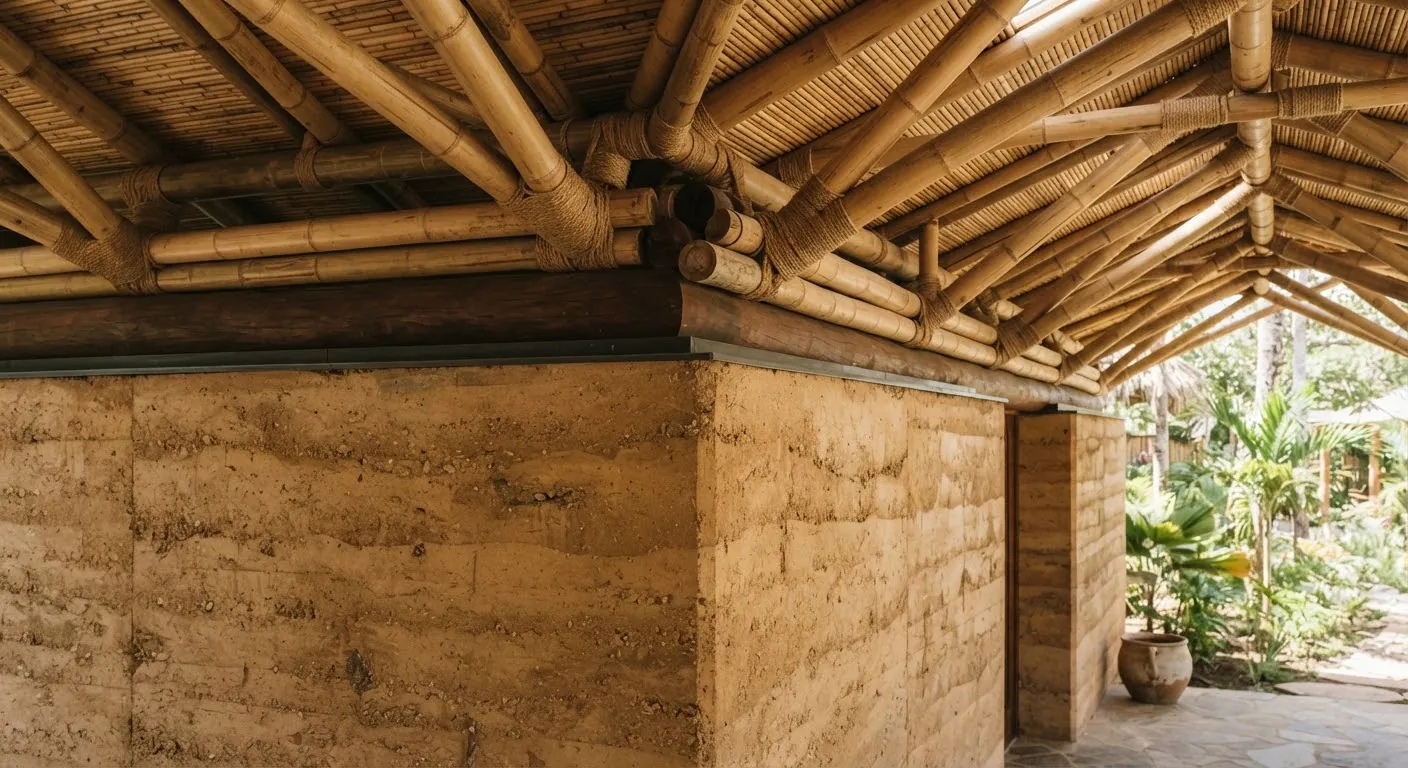
Building With Earth
Why we compacted the walls of the Earth Villa from soil dug out of its own foundations — and what that decision cost.
Read more
A Menu Without a Plan
Our kitchen does not decide what to cook until the morning harvest is in. Here is how that actually works in practice.
Read more